What are the risks of radiofrequency ablation?
BY DR. BROOKE WINNERRadiofrequency ablation is a minimally invasive surgery used to treat Fibroids, but like any surgery, it comes with some risks.

Here’s a breakdown of the potential issues you should be aware of:
General Risks: As with any laparoscopic surgery, there is a risk of bleeding, infection, and postoperative discomfort. While infections are rare, it’s important to monitor for symptoms like fever afterwards.
Specific Risks: During the procedure, nearby organs can accidentally be damaged due to heat from the treatment device. This is particularly concerning if organs are stuck due to prior surgery or conditions like endometriosis.
Long-term effects can include persistent symptoms if the Fibroids don’t shrink enough or if new Fibroids develop. There is also a recommendation against pregnancy following this procedure, as there may be risks related to how the placenta attaches to the uterus. While new research is ongoing, the evidence isn’t conclusive yet regarding safety for future pregnancies. Always discuss your situation with your doctor to understand these risks fully.ecialist who focuses on minimally invasive gynecologic surgery. This step can help ensure you have the best treatment option for your individual situation.
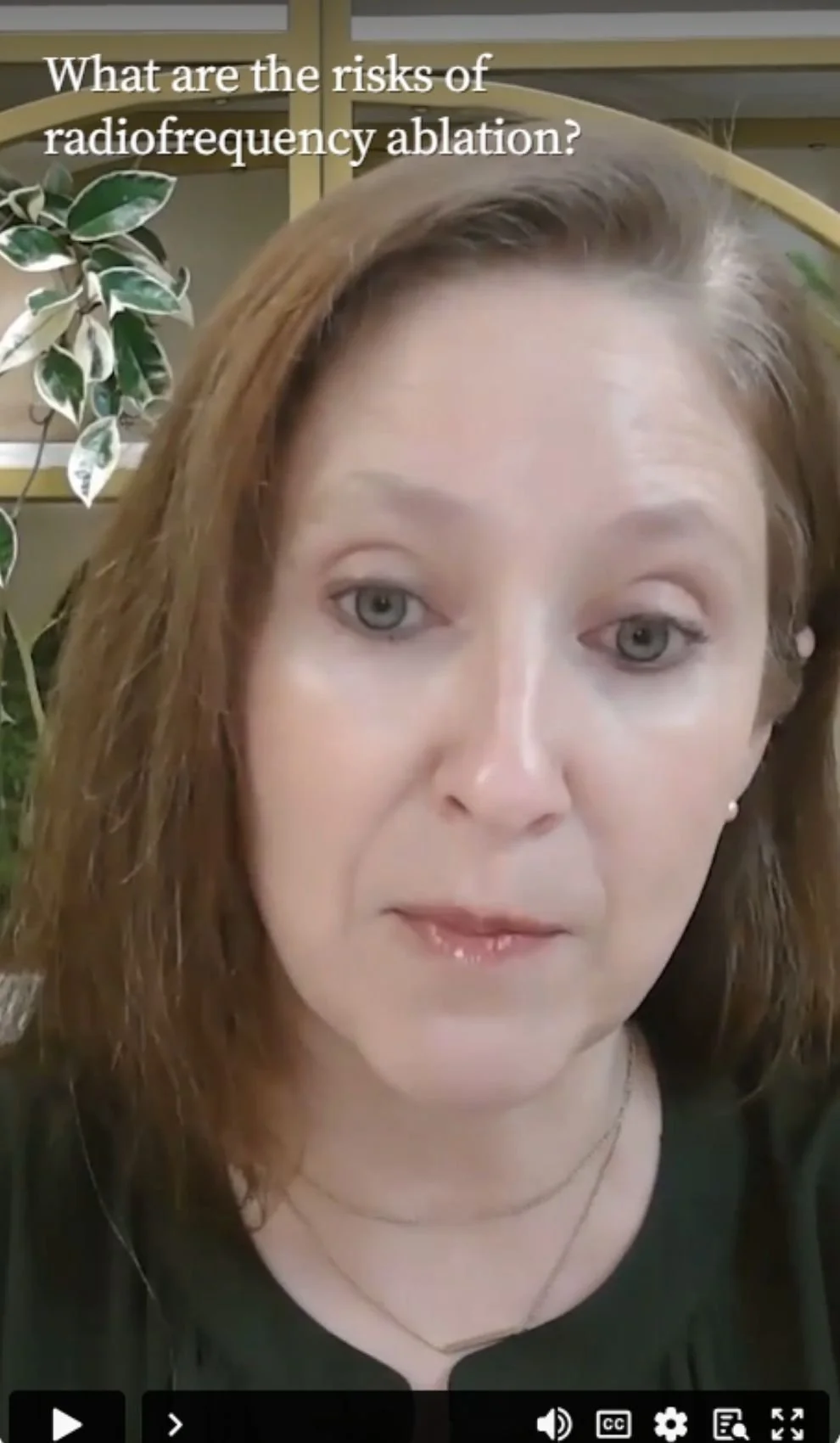
Do you prefer to watch it?
Watch Dr. Brooke Winner explain the risks of radiofrequency ablation for fibroids and what patients should consider before treatment.
Similar Posts