What is ovulation, and when does it occur?
BY DR. BROOKE WINNEROvulation is a natural part of a woman’s monthly cycle when an egg is released from the ovaries.
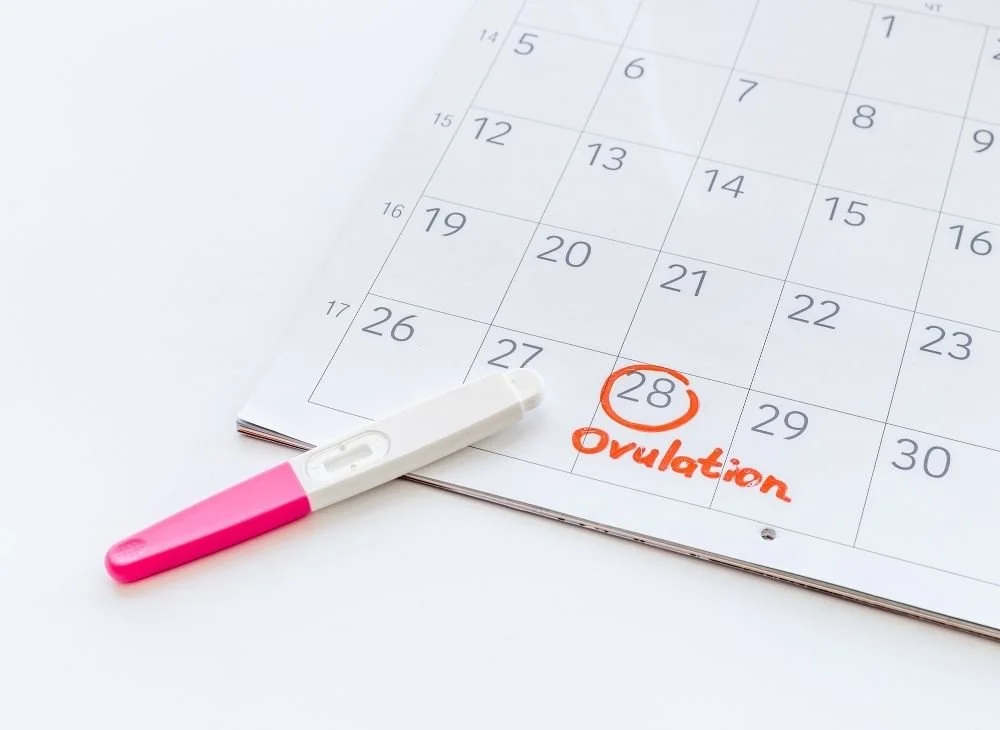
Here’s how it works:
The ovaries contain many little sacs called follicles, where eggs mature each month.
As a cycle progresses, one follicle becomes dominant, grows larger, and eventually bursts—this is called ovulation.
After the egg is released, it travels through the fallopian tube to the uterus.
If the egg doesn’t meet sperm for fertilization, the uterus prepares to shed its lining, leading to menstruation. Most ovarian cysts that form during this process are normal, and they often come and go with ovulation. Occasionally, when a cyst ruptures, it can cause some bleeding, sometimes referred to as a hemorrhagic ovarian cyst.
While this may lead to pain, it is still part of the normal ovulation process, as the body eventually absorbs the blood. Understanding these details can help demystify the monthly cycle and its effects on the body.
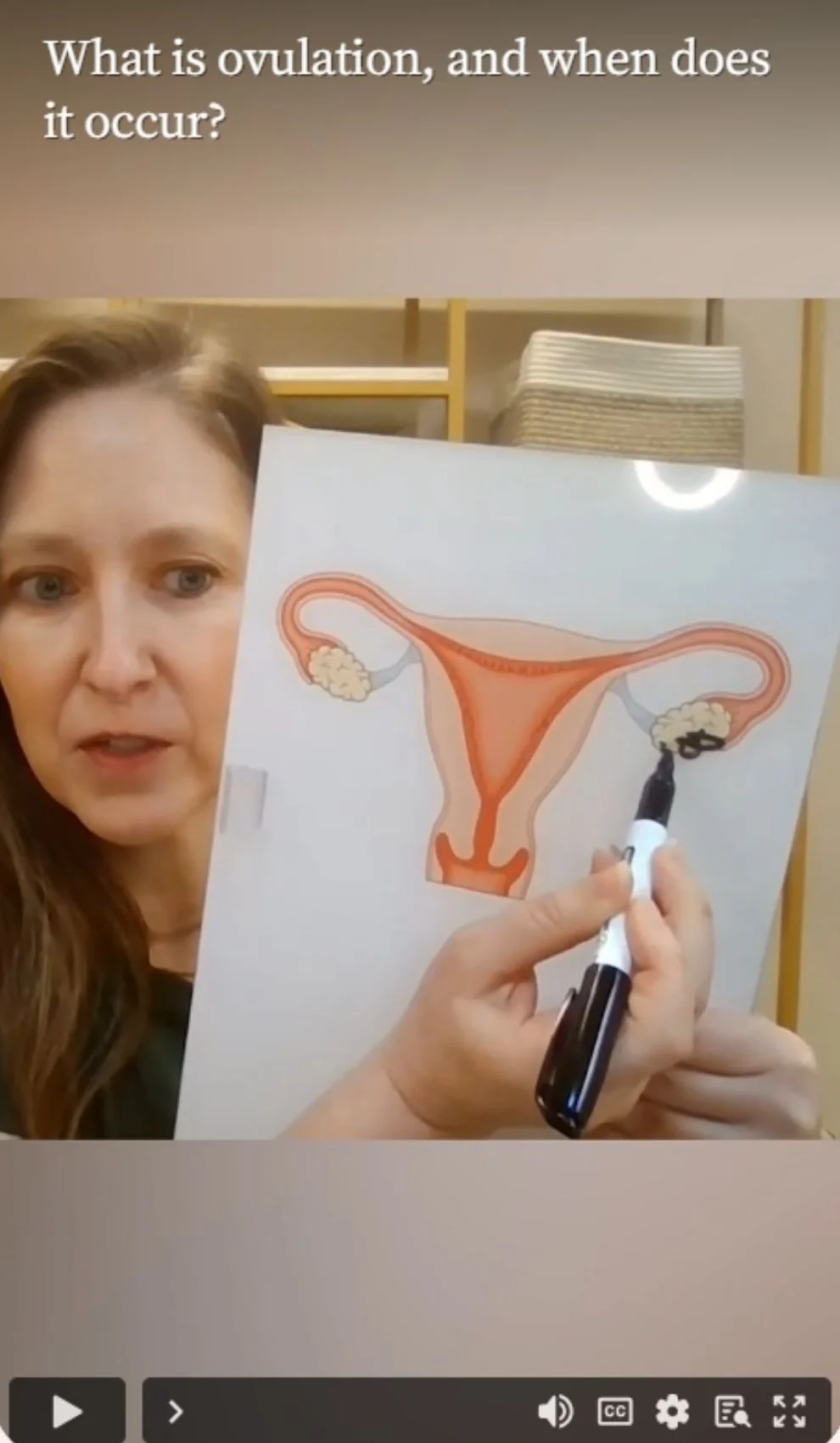
Do you prefer to watch it?
Watch Dr. Brooke Winner explain what ovulation is, when it happens, and how it affects your monthly cycle in this short video.
Similar Posts